July 13, 2026
From Social Networks to Messengers: Analyzing the Evolution of Digital Communication
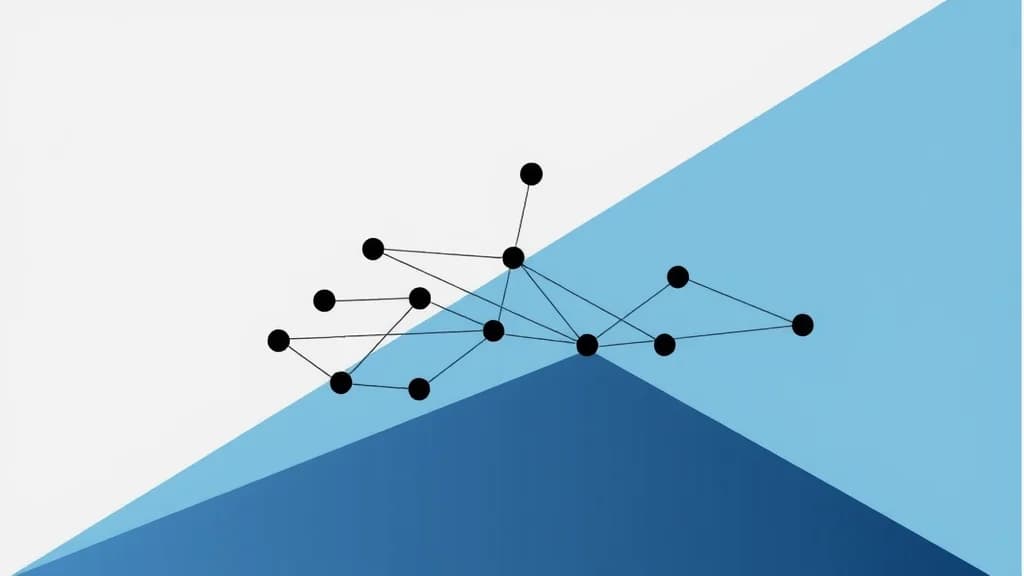
The shift from public social networks to private messengers, observed since 2020, reflects a fundamental transformation of digital culture. This transition is not accidental—it is driven by user fatigue regarding performative presence and algorithmic manipulation of attention. This trend signifies a deeper retreat from public performance into intimate digital circles.
Early platforms like LiveJournal, VKontakte, and ICQ created a space for authentic self-expression without forcing content through recommendation algorithms. Users actively curated their information flows rather than being passive recipients of algorithmically filtered content. However, this model ultimately proved unsustainable under the aggressive conditions of attention commercialization.
The move toward messengers is a reaction to a crisis of trust in public platforms. While messengers offer enhanced privacy, direct control over the audience, and an absence of algorithmic pressure, this shift carries significant costs. It implies the fragmentation of the public sphere and the gradual loss of a shared information space.
It is crucial to understand that nostalgia for "old networks" should not obscure systemic issues. Algorithmic personalization originally emerged as a necessary response to information overload but subsequently created new problems—specifically filter bubbles, subtle behavioral manipulation, and the erosion of individual autonomy.
Returning to decentralized communication models requires not only technological solutions but also a profound shift in digital culture. Consequently, professionals must carefully consider this context when designing communication strategies and evaluating emerging digital trends.