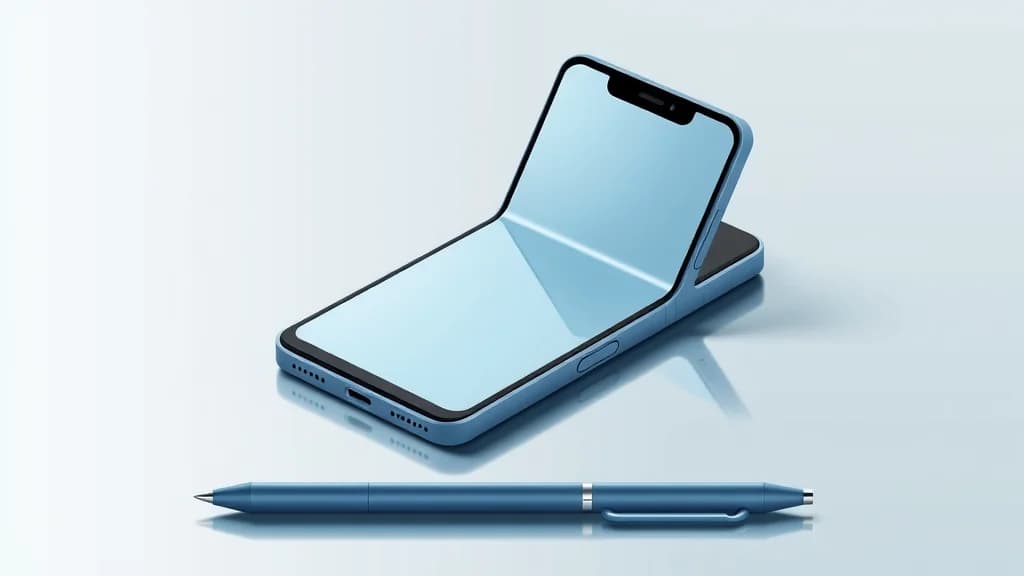
Against the backdrop of the anticipated iPhone Ultra launch, the decision to forego a specialized stylus appears as a significant marker of the company's strategic direction. Testing of the Apple Pencil for the foldable format confirms that engineers considered high-productivity scenarios, yet the final decision indicates a priority on reliability and ergonomics. Foldable displays remain vulnerable to mechanical impacts, and introducing a rigid stylus could create risks of damaging the protective layer or the hinge itself—unacceptable for a flagship device.
Furthermore, abandoning the accessory underscores the company's desire to maintain a "clean" interaction concept, avoiding interface fragmentation. This decision may also be driven by a wish not to blur the boundaries between the iPhone and iPad lines, where the Apple Pencil remains a key tool. In the long term, this suggests that Apple is not prepared to sacrifice premium positioning and simplicity for expanded functionality if it doesn't align with the brand's ideology.
Users will receive a device focused on content consumption rather than creation. The stylus omission for the foldable smartphone demonstrates that Apple views this format primarily as an evolution of the mobile experience, not as a tablet replacement. This approach allows maintaining high margins and product uniqueness without overloading it with components that could complicate user scenarios. Amidst fierce competition with Android manufacturers actively implementing styluses, Apple's decision appears as a bet on interaction quality rather than feature quantity.